Investment Casting Dewax and Burnout Process: OEM Audit Guide
The investment casting dewax and burnout process has two separate jobs: remove the wax without damaging the ceramic shell, then remove residue and condition the mold for metal pouring. OEM buyers do not need a foundry’s proprietary furnace recipe, but they should verify that shell release, cycle control, mold identification, damage inspection, and pouring readiness are defined and recorded.
A line item that says “dewax and burnout completed” is too vague for a serious audit. It does not show which route was used, whether the shell was dry enough to enter the process, how a cracked mold was handled, or how the fired mold remained linked to the correct drawing, alloy, and production order.

What is the difference between dewax, burnout, and mold preheating?
Q: Are dewaxing and burnout the same operation?
A: No. Dewaxing removes the bulk wax pattern. Burnout removes remaining wax or other residue and prepares or cures the ceramic shell. Mold preheating then brings the shell to the qualified condition needed for pouring; some foundry routes combine parts of these thermal stages.
The Investment Casting Institute describes steam autoclave dewaxing as a common method for removing most of the wax. It also describes flash-fire ovens as a route that melts and burns off wax, with many foundries using both methods together. The correct route is foundry- and component-specific. Buyers should audit control of the approved route rather than insist that every part use the same equipment.
| Stage | Main purpose | Buyer should verify | Typical evidence |
|---|---|---|---|
| Shell release | Confirm the coated and dried shell is ready for wax removal | Drying completion, identity, visible damage, approved repair status | Traveler, shell-room record, release sign-off |
| Dewax | Remove most or all of the wax while protecting shell integrity | Approved equipment, loading, cycle variables, drainage, alarms, damage check | Cycle record, batch/load ID, operator release |
| Burnout or firing | Remove residual material and condition the ceramic mold | Furnace/load identity, qualified cycle, time-temperature control, exception handling | Furnace chart or electronic cycle record, load map where required |
| Preheat and pouring release | Place the mold in its qualified pouring condition | Transfer time, mold condition, alloy/order match, hold or reheat rules | Pour authorization, mold and heat traceability, production log |
What must be checked before a shell enters dewax?
Q: Is elapsed drying time enough to release a shell?
A: No. The foundry should use its qualified release criteria and confirm shell condition, process completion, identity, and permitted repair status.
Dewaxing starts with the shell process that came before it. A mold with incomplete drying, weak areas, damaged edges, blocked drains, or uncontrolled repairs carries that risk into the autoclave or furnace. The release record should identify the part or tree, tooling or drawing revision where required, shell system, coating sequence or batch reference, drying status, and inspection decision.
Geometry changes the risk. Large wax masses, enclosed pockets, long passages, cores, thin shell features, and sharp transitions do not all release wax in the same way. The foundry should review wax flow and venting during process development. OEM buyers should send the latest 3D model because a 2D drawing alone may not reveal a trapped volume or restricted drainage path.
Our guide to ceramic shell building in investment casting covers slurry, stucco, layer drying, room controls, and the shell release evidence that precedes dewaxing.
How does steam autoclave dewaxing work?
Q: Why is a steam autoclave commonly used?
A: Pressurized steam transfers heat rapidly through the ceramic shell so the wax can melt and drain before its thermal expansion overstresses the mold.
The operating cycle is not one universal pressure, temperature, or duration. Shell system, wax formulation, tree mass, equipment design, loading pattern, and geometry all matter. A buyer should expect a controlled recipe or work instruction with defined load limits, cycle variables, alarm response, release authority, and maintenance requirements. Exact proprietary settings can remain confidential.
The audit should also cover loading. Molds need stable support and a repeatable orientation that permits wax to leave the shell. Overcrowding, inconsistent tree orientation, or mixing substantially different mold masses without validation can change how the load responds. If the equipment records only one chamber cycle, the traveler still needs to show which molds were in that load.
An autoclave is a pressure vessel. Safe design, operation, inspection, interlocks, pressure relief, maintenance, and trained access are not optional housekeeping items. OSHA’s pressure-vessel guidance notes that vessel damage can lead to leakage or rupture hazards, so a factory audit should verify that equipment safety responsibilities are assigned and records are current without trying to replace a qualified pressure-vessel inspection.
When is flash-fire dewaxing or burnout used?
Q: Can a furnace replace autoclave dewaxing?
A: Some foundries use flash-fire dewaxing, and some use a steam autoclave followed by a separate burnout furnace. The route must be qualified for the shell, wax, geometry, alloy, and casting requirements.
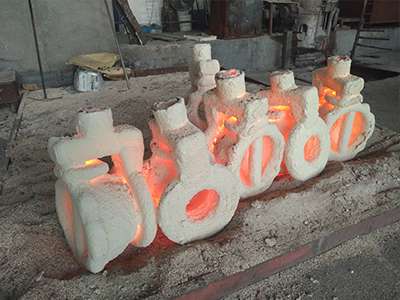
Rapid furnace entry can melt and burn out wax while the shell is heated. A separate burnout step after autoclave dewaxing deals with residual material and conditions the mold for casting. The buyer should not assume that “furnace cycle complete” proves the cavity is clean or that the shell is undamaged. The process needs defined loading, cycle monitoring, combustion or exhaust control, inspection, and reaction to deviations.
Ask what happens after a power interruption, burner fault, out-of-range temperature, delayed transfer, or incomplete cycle. Restarting the timer is not automatically an acceptable disposition. The foundry should evaluate how far the load progressed, whether the shell experienced an unintended thermal cycle, and whether reprocessing is permitted by the approved procedure.
Why can dewaxing cause shell cracks and casting fins?
Q: Does every metal fin prove that the autoclave cycle was wrong?
A: No. A fin shows that metal entered a crack or opening in the mold, but root-cause work must examine shell building, drying, handling, wax behavior, dewaxing, burnout, and pouring together.
The Investment Casting Institute’s Atlas of Casting Defects identifies shell cracking during shell building, drying, or dewaxing as a mechanism for finning. Its potential causes include incomplete drying, low mold strength, slow dewax loading or pressurization, restricted wax relief, and wax or runner behavior. Those are investigation paths, not permission to diagnose a defect from a photograph.
During dewaxing, wax heats and expands before it fully melts and drains. If pressure develops faster than the shell can relieve it, the mold can crack. The process-development team may adjust wax formulation, runner design, venting, shell permeability, drying, tree orientation, or equipment settings. The approved correction depends on evidence from the actual part and process.
A good nonconformance record preserves the casting location, tree position, shell lot, dewax load, furnace load, metal heat, photographs, inspection results, and disposition. Without that chain, the team can remove a visible fin but cannot show that the process cause was understood.
How should residual wax and mold cleanliness be controlled?
Q: Does successful wax drainage mean the mold is ready for metal?
A: Not by itself. Residual wax, ash, loose ceramic, moisture, foreign material, or damage must be addressed by the approved burnout, cleaning, and inspection route.
The foundry should define what inspectors look for after dewax and after firing, which surfaces or openings can be viewed, and what conditions require rejection or approved repair. Internal passages may not be fully visible, so process qualification and repeatable controls matter as much as the final visual check.
Recovered wax can be valuable, but the recovery system must not quietly change the properties of pattern wax used for critical features. If reclaimed material is returned to production, the foundry should define segregation, conditioning, test methods, addition limits, release criteria, and traceability. OEM buyers do not need to set the formulation; they need evidence that wax reuse is controlled.
What should the burnout furnace record prove?
Q: Is a furnace temperature display enough?
A: No. A useful record identifies the furnace, approved cycle, load, molds represented, actual time-temperature result, alarms or deviations, and release decision.
For customer-critical projects, the order may require furnace calibration, temperature uniformity evidence, instrument identification, chart retention, or a load map. Those requirements must be agreed before quotation. A generic screenshot with no load identity does not show which molds completed the cycle.
Traceability must survive the physical change from wax tree to empty ceramic shell. Tags or labels that cannot tolerate steam or firing need a controlled replacement method. The traveler, rack, furnace load, and pour log should keep the shell connected to the correct part number, revision, material order, and planned metal heat.
This link becomes especially important when several visually similar molds share the same furnace. Our article on investment casting material heat traceability explains how production identities should continue from processing into inspection and shipment.
How is a fired mold released for metal pouring?
Q: Can a mold wait indefinitely after burnout?
A: No universal hold time applies. The qualified route should define allowable holding, transfer, temperature recovery, reheat, and rejection rules.
Mold temperature affects metal flow and solidification, but the correct condition depends on alloy, section thickness, geometry, gating, and the qualified casting process. A delayed pour, wrong furnace load, or unexpected temperature loss needs an approved reaction. Operators should not decide by appearance alone that a cooled mold is “close enough.”

Before pour authorization, verify the mold identity, released condition, alloy and heat plan, furnace status, ladle or pouring route, and any customer hold point. Matson’s wider investment casting factory tour in China shows how this handoff fits between shell building and metal processing.
What records should an OEM buyer audit?
Q: What is the fastest way to test whether the process is controlled?
A: Select one finished casting and trace it backward through the pour, furnace load, dewax load, shell record, and wax-tree identity. Then select one dewax load and trace all represented molds forward.
A practical audit sample should include:
- controlled dewax, burnout, preheat, and pouring work instructions;
- equipment identity, maintenance, calibration, alarms, interlocks, and safety records;
- mold or tree identification and the load composition for each cycle;
- actual cycle data and operator or quality release;
- shell damage, repair, rejection, and nonconformance records;
- power-loss, out-of-range, delayed-transfer, and reprocessing rules;
- links from shell batch to dewax load, burnout load, pour and metal heat;
- change-control records for wax, shell system, equipment, loading, cycle, or outside processing; and
- evidence that process revisions were qualified before production release.
North American OEM buyers may place furnace, pressure-vessel, environmental, or customer-specific clauses in their supplier requirements. European buyers may add machinery safety, emissions, or pressure-equipment obligations. The foundry and buyer should identify which rules apply to the manufacturing location and project instead of treating one regional checklist as universal.
The audit should connect process evidence to product evidence. A stable dewax and burnout route does not replace chemistry, dimensions, NDT, or mechanical testing. Matson’s investment casting quality control guide explains how these separate records support final release.
What should buyers send with an RFQ?
Q: Does the customer need to specify the autoclave cycle?
A: Usually not. The foundry normally owns the qualified manufacturing recipe, while the buyer defines the product, service, acceptance, documentation, and approval requirements.
Send the controlled 2D drawing, 3D model, exact cast grade and specification, service conditions, critical surfaces, internal passages, minimum walls, machining scope, inspection requirements, quantity profile, and any prohibited process or repair conditions. State whether the customer must approve process changes, witness qualification, review cycle records, or retain documents for a defined period.
Matson lists a casting range of 0.005–80 kg, maximum casting size of 650 × 650 mm, ISO 8062 CT4–CT6 general tolerance capability, and CNC machining through more than 60 machines. These are screening capabilities, not automatic approval for a particular shell, dewax, burnout, or pouring route. Final feasibility comes from the drawing review.
Common questions about dewax and burnout
Can dewaxing and burnout be completed in one furnace?
Some process routes use flash-fire equipment for wax removal and firing, while others use steam autoclave dewaxing followed by a separate burnout furnace. The foundry must qualify and control the selected route for the shell system, wax, geometry, alloy, and casting requirements.
Does steam dewaxing remove all wax residue?
It normally removes most of the wax. A subsequent burnout or firing operation is commonly used to remove residual material and prepare the shell for casting. The actual acceptance and inspection route must be defined by the foundry’s qualified process.
Can a cracked ceramic shell be repaired?
Only within a controlled repair standard that defines allowed defect types, locations, method, reinspection, and approval authority. A shell outside the approved limit should be rejected, not patched by individual judgment.
What casting defects can be related to dewaxing?
Shell cracks formed or enlarged during dewaxing can allow metal to create fins. Residue, damage, or an incorrect thermal route can also contribute to casting problems. Root cause must consider shell building, drying, wax behavior, dewax, burnout, transfer, and pouring rather than assigning the defect to one stage without evidence.
Should every customer receive furnace charts?
Only when the material specification, customer requirement, or purchase order calls for them. At minimum, the foundry should retain sufficient controlled records to show which load used which approved cycle and how any deviation was released.
Request a dewax and burnout process review
Matson Casting provides custom investment casting services, CNC machining, inspection, and export support for OEM projects. We can review shell accessibility, wax removal, mold handling, alloy selection, machining, and inspection requirements as one manufacturing route.
Email sales@matsoncasting.com or request a quote. Send the drawing, 3D model, material specification, service conditions, expected quantities, critical features, inspection scope, and required process records.
— Matson Casting Team, Technical Engineer Li
Ready to Start Your Casting Project?
Send us your drawings or requirements and our engineering team will respond with a quote within 24 hours.
Send Your Inquiry Now →