Valve casting weld repair inspection requirements should be decided before the foundry starts production, not after a defect is found. For pressure-boundary valve bodies, bonnets, seats, discs and flow-control parts, repair welding is not just a workshop fix. It is a controlled manufacturing step that needs customer approval, qualified procedures, qualified personnel, reinspection and traceable records.
The most expensive confusion usually starts with one vague sentence: “weld repair allowed.” Allowed where? By which procedure? Before or after heat treatment? With which NDT? With customer witness? With a repair map in the final file? If the RFQ does not answer those questions, the casting may be repairable in theory but difficult to release in a real OEM quality system.

What should valve casting weld repair inspection requirements define?
Q: What is the short answer for an OEM RFQ?
Define whether weld repair is permitted, which areas need approval, how defects must be excavated, which welding qualification applies, what NDT is required before and after repair, whether heat treatment is required, and what records must ship with the parts.
For investment casting valve parts, the rule cannot be copied blindly from one project to another. A non-pressure bracket, a stainless globe valve body, a carbon steel check valve body and a nickel alloy chemical-service valve component do not carry the same repair risk. Even when repair welding is technically possible, the customer specification may prohibit it, limit it to non-critical zones, or require written approval before work starts.
The RFQ should separate three decisions:
- Repair policy: prohibited, allowed without prior approval within defined limits, or allowed only after buyer approval.
- Repair scope: cosmetic dressing, grinding only, minor weld repair, major weld repair, pressure-boundary repair, or repair in machined sealing areas.
- Release evidence: NDT reports, repair map, WPS/PQR/WPQ or equivalent records, heat-treatment record, dimensional recheck, pressure-test record and final certificate index.
ASTM A488/A488M-24 is often relevant because it covers welding qualifications for steel castings, including procedures and personnel used in fabrication and repair. ASTM A781/A781M-21 gives general steel and alloy casting requirements and makes an important point for buyers: when a product specification has different requirements, the product specification controls. That means a generic weld-repair note should never override the drawing, valve code, material specification or end-customer requirement.
Why is repair approval different for pressure-boundary valve castings?
Q: Why not let the foundry decide during production?
Because repair can change the release path. For pressure-boundary valve castings, the buyer may need to know where the defect was, how much metal was removed, what filler material was used, whether post-weld heat treatment was required, and how the area was reinspected.
In real sourcing work, this is where small wording gaps become big delays. A North American OEM may allow weld repair on a carbon steel body if it is documented and re-examined, but reject repair in a seat pocket or pressure-wall critical zone without engineering approval. A European valve importer may ask for repair maps and PT reports in the final dossier. A Middle East project may require customer witness points before major repair. None of those decisions should be discovered after parts are already packed.
Use a critical-zone map when the casting has pressure, sealing or machining risk. The map can identify:
- pressure-containing walls and bonnet areas;
- flange faces, welded ends and bolting regions;
- seat pockets, disc contact areas and sealing lands;
- machined bores, shaft holes and gasket surfaces;
- areas where weld repair is prohibited or requires customer approval.
This does not mean every casting needs a complicated map. But if the part is a pressure-boundary valve casting, a marked drawing is often clearer than a paragraph of legal language. Matson’s nickel alloy valve casting inspection requirements guide takes the broader ITP view; this article narrows the discussion to weld repair and its release evidence.

What documents control a casting weld repair?
Q: Which documents should a buyer ask for?
Ask for the documents that prove the repair was authorized, performed by qualified people under a qualified procedure, inspected after each required step, and linked to the shipped casting.
For steel castings, buyers often ask for WPS, PQR and WPQ records, or equivalent documents under the project specification. In simple terms:
- WPS: the welding procedure specification. It tells the welder how to perform the repair.
- PQR: the procedure qualification record. It supports that the procedure was qualified under the chosen code or specification.
- WPQ: welder or welding operator performance qualification. It supports that the person performing the repair is qualified.
Do not ask for these documents as decoration. Connect them to the casting material, repair type and acceptance plan. For example, a WCB valve body, a CF8M stainless valve body and a nickel alloy valve body may require different filler material review, preheat/interpass controls, heat treatment discussion and NDT response. ASTM A494/A494M-26 covers nickel and nickel alloy castings for corrosion-resistant service; if a nickel alloy valve casting is repaired, the material specification and customer requirement must drive the repair route. Do not treat it like ordinary carbon steel.
The buyer should also define whether repair records are required for every repair or only major repairs. My preference for pressure-boundary valve work is simple: if the repair affects a pressure wall, critical sealing feature, weld-end area, customer-designated zone or final acceptance test, record it. A repair that cannot be explained later is not a strong repair, even if the surface looks clean.
Which inspection steps belong before and after weld repair?
Q: Should NDT happen before repair, after repair, or both?
Often both. The foundry needs to confirm the defect has been removed before welding, then inspect the repaired area after welding and any required heat treatment or finishing.
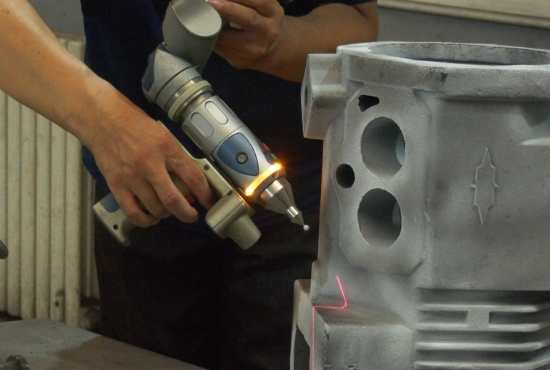
A practical repair route may include:
- Identify the defect by visual inspection, PT, MT, RT, UT or another specified method.
- Confirm whether repair is allowed in that location.
- Excavate or remove the defect by the approved method.
- Verify complete defect removal, often by visual inspection and surface NDT.
- Weld repair using the approved procedure, filler material and qualified personnel.
- Perform required heat treatment, stress relief or controlled cooling if specified.
- Reinspect by the required NDT method and acceptance criteria.
- Recheck dimensions if the repair is near a machined feature, sealing face, bore or flange.
- Update the repair map, report package and final release decision.
PT is commonly used to detect surface-breaking discontinuities on suitable non-porous surfaces. MT applies only to ferromagnetic materials. RT and UT can address internal soundness when the geometry and specification allow. The point is not to use every method. The point is to define the right method, timing, coverage and acceptance standard in the ITP.
How should material family change the repair plan?
Q: Can one weld repair rule cover every valve casting material?
No. Carbon steel, low alloy steel, stainless steel, nickel alloy, cobalt alloy and copper-based valve castings behave differently during welding and inspection.
Matson’s material range includes carbon steel grades such as WCA, WCB, WCC, LCA, LCB and LCC; stainless steel grades such as CF3, CF3M, CF8, CF8M, CG8M, CA15, CA6NM, CB7Cu-1 and CB7Cu-2; nickel-based alloys such as Alloy 600, Alloy 625, Alloy 718, C276, M35-1 and K500 families; and cobalt-based materials such as Co106/Cobalt 6, Co112/Cobalt 12 and Co121/Cobalt 21. These are not repair-interchangeable families.
| Material family | Repair issue to define | Inspection concern | Buyer action |
|---|---|---|---|
| Carbon steel valve castings | Procedure qualification, filler, preheat and stress relief where specified | Surface and volumetric defects, pressure-wall integrity and dimensional distortion | Reference product specification, WPS/PQR/WPQ and post-repair NDT scope |
| Stainless steel valve castings | Grade match, filler selection, heat input and corrosion-sensitive service | Surface defects, contamination, sensitization risk and critical sealing zones | Tie repair to stainless grade, service fluid and customer corrosion requirement |
| Nickel alloy valve castings | Specification-specific repair permission, filler, heat treatment and chemistry control | Corrosion service, crack-sensitive areas and final document traceability | Do not approve repair until ASTM grade, customer spec and inspection route agree |
| Cobalt-based wear parts | Whether the part is solid cobalt casting, hardfacing, or another wear route | Wear surface integrity, cracking, hardness and prohibited substitution | Define repair restrictions separately from material selection and PMI requirements |
For stainless projects, also compare the material-selection guidance in Matson’s stainless steel investment casting page. For alloy verification after repair, the separate valve casting PMI requirements guide explains why PMI can support material identity but cannot replace weld procedure control, heat treatment records or NDT.
What should the final repair documentation package include?
Q: What should be in the shipping file?
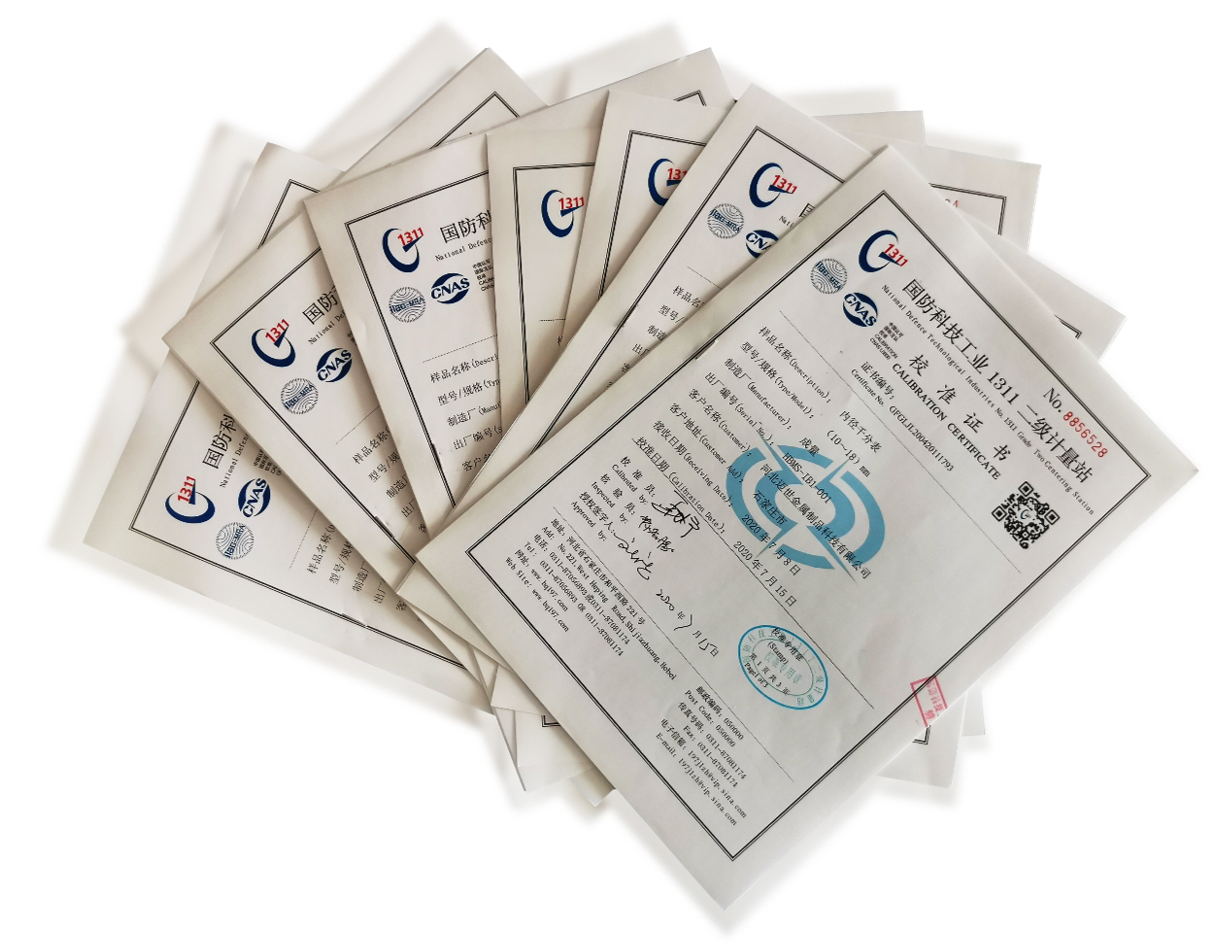
The final package should make the repair understandable to a buyer who was not standing in the factory. It should connect repair authorization, defect location, procedure, inspection result and part identity.
For a controlled valve casting weld repair, the final file may include:
- repair authorization or customer approval, if required;
- part number, drawing revision, heat number, lot number and casting identity;
- repair map or marked drawing showing the repaired area;
- defect excavation record and inspection after excavation;
- WPS/PQR/WPQ or equivalent qualification reference;
- filler material or consumable record where required;
- preheat, interpass, post-weld heat treatment or stress relief record if specified;
- post-repair NDT report and acceptance basis;
- dimensional recheck near machined or sealing features;
- final certificate index and NCR/deviation closure if applicable.
This file discipline matters more than it looks. A repaired casting may pass the shop check, but later fail a customer document review because the repair location, qualification reference or reinspection evidence is missing. That is painful for everyone because the physical part may be acceptable, yet the paperwork is not strong enough for the buyer’s quality system.
How should buyers write a weld repair clause in the RFQ?
Q: What wording is clear enough for quotation?
Use plain, controlled language. Say what is allowed, what is prohibited, what needs approval and what records are required.
A useful starting clause looks like this:
Weld repair of valve castings shall be [prohibited / permitted only with written buyer approval / permitted within defined limits]. Repair in pressure-boundary, sealing, welded-end, machined or customer-marked critical zones requires approval before welding. All repair welding shall follow qualified procedures and qualified personnel under the applicable specification. Defect removal shall be verified before welding. Post-repair NDT, heat treatment where required, dimensional recheck near critical features, repair map and final repair records shall be included in the release package.
That clause still needs project-specific editing. If the product is a simple industrial stainless valve handle, it may be too heavy. If the product is a nickel alloy pressure-boundary valve body for chemical service, it may not be heavy enough. The right clause depends on the drawing, service condition, material standard, valve code and customer’s end-use risk.
Matson Casting can support custom investment casting service projects with investment castings from 0.005-80 kg, maximum casting size up to 650 mm x 650 mm, ISO 8062 CT4-CT6 casting tolerance capability, Ra1.6-Ra3.2 surface roughness capability, 60+ CNC machines and in-house inspection equipment including spectrometer, metallographic microscope, tensile tester, low-temperature tester, X-ray tester, MPT, UT and CMM. Specific repair permission and acceptance still need to follow the customer’s drawing and specification.
Common questions we actually get about valve casting repair
Can all valve casting defects be weld repaired?
No. Some defects, locations, materials or customer specifications may prohibit repair. Pressure-boundary areas, sealing surfaces, weld ends and heavily machined zones need special review before repair is approved.
Does weld repair always require customer approval?
Not always, but the purchase order should say when approval is required. For critical valve castings, many buyers require approval for major repair, pressure-boundary repair, repeated repair, repair in customer-marked zones or repair after final machining.
Can post-repair PT replace RT or UT?
No. PT checks surface-breaking indications on suitable surfaces. RT and UT address different internal conditions. The required method should follow the defect type, casting geometry, material, critical zone and acceptance standard.
Should repaired castings be heat treated again?
Only if the material specification, welding procedure, customer requirement or engineering review requires it. Some repairs may need stress relief or other thermal control; others may not. This must be defined before production release.
What should we send Matson for a repair-controlled valve casting quote?
Send the 2D drawing, 3D model if available, material grade and standard, service condition, critical-zone notes, repair restrictions, NDT requirements, heat-treatment requirements, certificate package and any end-customer specification. If the repair clause is unclear, we can help mark the open points before quotation.
Request a weld repair and inspection review
If your valve casting RFQ includes weld repair, NDT, PMI, pressure-boundary inspection or final document requirements, send the drawing and specification to sales@matsoncasting.com. Matson Casting can review whether the repair clause is clear enough for quotation and which requirements need buyer confirmation before production.
—— Matson Casting 团队 技术小李
Ready to Start Your Casting Project?
Send us your drawings or requirements and our engineering team will respond with a quote within 24 hours.
Send Your Inquiry Now →