Valve casting PMI requirements should tell the foundry exactly what material identity must be verified, where to test it, when to test it, and what report proves the result. A short note such as “PMI required” sounds strict, but it leaves too many decisions open for pressure-boundary valve parts, stainless steel bodies, nickel alloy trim, cobalt wear parts, and mixed-material assemblies.
For overseas OEM buyers, PMI is best treated as one control inside a wider material verification plan. It helps prevent wrong alloy, mixed heat, and identity-loss problems. It does not replace the material certificate, heat traceability, heat treatment record, mechanical test, NDT, dimensional inspection, or pressure test.

What should valve casting PMI requirements actually define?
Q: What is the practical answer for an RFQ?
A good RFQ should define material grade, test method, test stage, frequency, location, acceptance basis, reporting format, and action when a result does not match. If any of those are missing, the supplier may still perform a test, but the result may not answer the buyer’s real risk.
In valve casting orders, the common risk is not only whether a casting is “metal.” It is whether a CF8M valve body has not been mixed with CF8, whether a nickel alloy casting has not been confused with a stainless part, whether cobalt-based valve components are kept separate from other high-wear alloys, and whether the tested part can still be traced back to the correct heat or batch.
PMI is especially useful when a project has:
- similar-looking castings made from different stainless, nickel, cobalt, carbon steel, or copper-based grades;
- pressure-boundary valve bodies, bonnets, seats, discs, or flow-control parts where material mix-up would create a serious field risk;
- machined surfaces, repaired areas, or outside processing steps that could break part identity if marking and paperwork are weak;
- customer specifications that require PMI as part of an ITP, final document package, or material verification program;
- replacement parts where the old sample, drawing, and material certificate do not fully agree.
Matson Casting supplies investment casting valve parts in stainless steel, carbon steel, alloy steel, nickel-based alloy, cobalt-based alloy, brass, bronze, and copper materials. For PMI-controlled projects, we first need the exact casting grade, drawing revision, applicable specification, testing frequency, and report requirement before quoting the inspection scope.
Where does PMI fit in a valve casting material verification plan?
Q: Is PMI the same as a material certificate?
No. PMI checks selected elemental composition at the tested location by the specified method. A material certificate reports the heat or lot data required by the material specification and purchase order. The two should support each other, not replace each other.
API RP 578 is widely used in process-industry thinking because it is about material verification programs for alloy piping, components, and related assets. In purchasing language, the useful lesson is simple: PMI should be controlled by a plan. A plan defines what to test, why to test it, how to test it, and how to handle nonconforming or uncertain results.
ASTM E1476 treats metal identification, grade verification, and sorting as part of a quality system for maintaining material identity. That framing matters for castings. A valve foundry must keep identity across melting, pouring, heat treatment, cutting, cleaning, CNC machining, repair if permitted, inspection, packing, and shipment. A PMI scan at the end helps screen the part, but it does not rebuild a traceability chain that was lost earlier.
For a serious valve program, the material verification plan should connect at least four layers:
- Specification layer: casting standard, grade, customer specification, drawing revision, and prohibited substitutions.
- Production identity layer: heat number, tree or pour identity, heat-treatment batch, machining batch, and shipment lot.
- Verification layer: heat analysis, product analysis where required, PMI, mechanical tests, hardness where applicable, NDT, and CMM inspection.
- Release layer: final report package, deviation approvals, nonconformance disposition, and certificate index.

Which valve casting materials need different PMI logic?
Q: Can one PMI rule cover all valve casting alloys?
Not cleanly. Stainless steel, carbon steel, low alloy steel, nickel alloy, cobalt alloy, brass, bronze, and copper each need a different review because the useful elements, available methods, and specification limits are not the same.
Matson’s stainless steel casting range includes ASTM grades such as CF3, CF3M, CF8, CF8C, CF8M, CG8M, CN3MN, CA15, CA6NM, CB7Cu-1, and CB7Cu-2. For stainless valve castings, PMI often focuses on alloying elements such as chromium, nickel, molybdenum, copper, or other grade-separating elements. It can help catch a CF8 versus CF8M mix-up if the selected method measures the relevant elements properly.
For carbon steel valve castings such as WCA, WCB, WCC, LCA, LCB, and LCC, the situation is different. Carbon is a critical element, but ordinary handheld XRF is not a practical carbon test. If carbon, sulfur, phosphorus, or low-alloy chemistry is important for acceptance, the RFQ should identify the proper laboratory or optical emission spectroscopy route and the product specification that controls the limits.
Nickel-based and cobalt-based valve parts need even tighter wording. Nickel alloy castings may involve Alloy 600, Alloy 625, Alloy 718, C276, M35-1, K500, or other specifications. Cobalt-based castings may involve Co106/Cobalt 6, Co112/Cobalt 12, Co121/Cobalt 21, or related wear-resistant grades. A buyer should not assume that a trade name, UNS number, internal grade name, and casting specification are automatically interchangeable. The RFQ must say which standard and grade govern the order.
| Material family | PMI can help verify | PMI cannot prove by itself | RFQ wording to add |
|---|---|---|---|
| CF8, CF8M, CF3M and other stainless steel castings | Grade-separating elements such as Cr, Ni, Mo or Cu, depending on method | Heat treatment, mechanical properties, corrosion performance, or all low-level elements | Define grade, method, surface condition, tested locations and acceptance limits |
| WCB, WCC, LCB and other carbon steel valve castings | Limited alloy screening when the method is suitable | Carbon content by normal handheld XRF, impact properties, pressure test acceptance | Specify chemical analysis route and certificate requirements, not just handheld PMI |
| Nickel alloy valve castings | Major alloy elements for grade confirmation and mix-up prevention | Full ASTM A494 conformance, heat treatment, tensile results, or NDT acceptance | Call out exact ASTM/UNS grade, heat identity, PMI frequency and final document package |
| Cobalt-based wear parts | Selected alloy identity and separation from similar-looking high-wear grades | Wear life, hardness acceptance, impact behavior, or field performance | Separate solid casting, overlay, repair and machined-surface requirements |
This is why we do not recommend writing a universal PMI clause for all custom investment casting projects. The material family and the valve service risk should drive the test plan.
Should PMI be done before or after machining?
Q: Which stage gives the buyer the most useful result?
It depends on what risk the buyer wants to control. For many valve casting projects, the best plan uses more than one checkpoint: after casting identity is established, after heat treatment or outside processing if identity risk exists, and on finished machined parts when the customer requires final release verification.
Testing only at the final stage may catch a wrong-alloy part before shipment, but it may also discover a problem after machining time has already been spent. Testing only at the raw-casting stage may not catch a later mix-up during outside processing, repair, or packing. The ITP should place PMI where it answers the real risk.
For pressure-boundary valve castings, buyers often care about several zones:
- body and bonnet pressure-wall areas;
- flanges and welded-end areas where material identity matters to joining or service;
- seats, discs, stems, trim interfaces, or wear surfaces when made from a different alloy family;
- repaired areas if weld repair is permitted by the specification;
- finished machined surfaces where coating, scale, or surface roughness will not distort the reading.
A practical RFQ should state whether PMI is required on each casting, on each heat, on a sample from each lot, or only on designated critical parts. If the buyer wants 100% PMI on finished pressure-boundary castings, say so clearly. If lot sampling is acceptable, define the lot boundary and escalation rule when one sample fails.
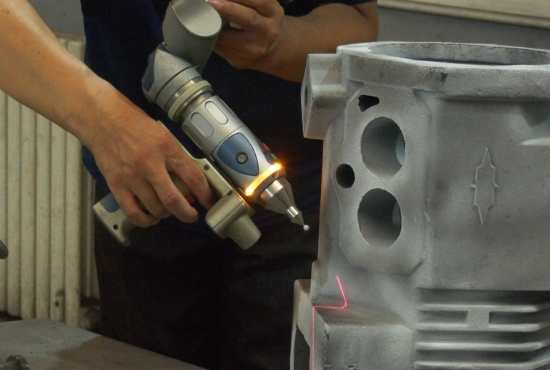
What should a valve casting PMI report include?
Q: What report details are worth asking for?
Ask for enough information to connect the result to the shipped casting, the test method, and the acceptance decision. A pass/fail label without identity is weak evidence.
A PMI report for investment cast valve parts should normally include:
- customer name or project reference, purchase order, drawing number and revision;
- part number, part name, casting grade, heat number, lot number and individual part identity where used;
- test method or instrument type, calibration or reference check record, operator and test date;
- test locations, such as body wall, flange, seat area, trim component or repaired zone;
- measured elements that the method can report and the acceptance range or grade-matching basis;
- clear pass, fail, retest, quarantine or concession decision;
- signature or approval by the responsible quality person.
If the project also requires independent laboratory analysis, the buyer should write that separately. PMI performed on a casting surface is not the same as a laboratory chemical analysis performed under a product specification such as ASTM A751 for steel products. Likewise, PMI does not say that a pressure test passed, that a casting is free from internal shrinkage, or that a machined flange is within positional tolerance.
How should buyers write PMI into the RFQ and ITP?
Q: What wording prevents misunderstanding?
Write the PMI requirement as a controlled inspection step, not as a slogan. The more critical the valve service, the more precisely the buyer should define scope.
A clear RFQ can include wording like this:
Positive material identification is required for finished machined valve castings made from [grade/specification]. Test [100% of parts / one part per heat / defined sampling plan] at [defined locations]. Report method, instrument or laboratory route, measured elements, acceptance basis, heat number, part identity and result. Nonconforming or uncertain results shall be isolated and reported before shipment.
That sample still needs project-specific editing. A chemical plant buyer sourcing nickel alloy valve bodies may require 100% PMI on pressure-boundary castings. A general industrial buyer ordering non-pressure stainless brackets may accept heat-level traceability and lot sampling. A carbon steel valve buyer may decide that PMI is less useful than a proper heat analysis, product analysis, impact test, and traceability package.
For Matson projects, the strongest RFQ packages usually include:
- 2D drawing and 3D model, with critical valve features marked;
- casting grade and standard, not only a trade name or local shorthand;
- required condition: as-cast, heat treated, machined, surface treated, or assembled;
- PMI method, timing, frequency and tested locations;
- NDT method and acceptance standard if pressure boundary or internal soundness is critical;
- CMM or dimensional report scope for sealing faces, bores, flanges and bolt patterns;
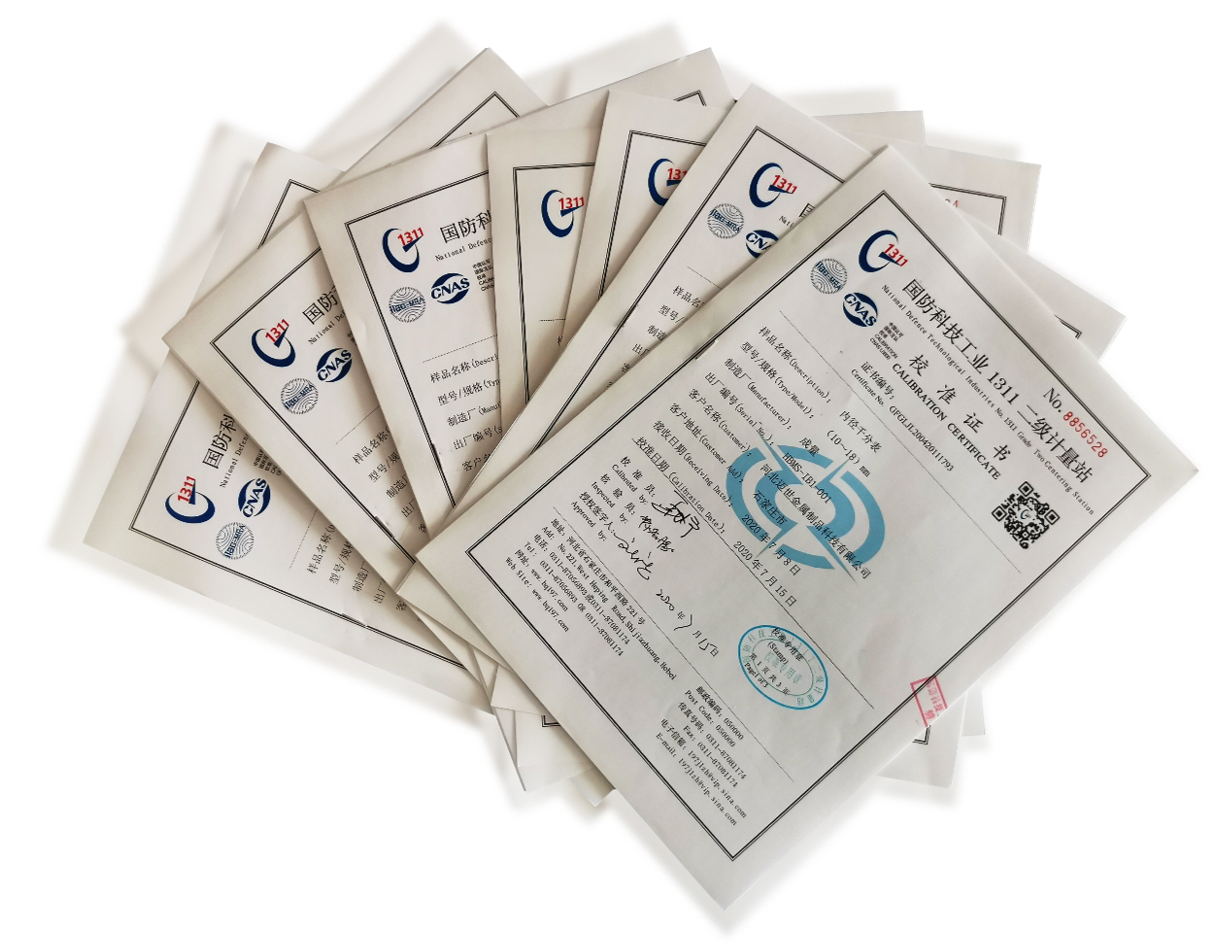
- certificate package: material certificate, heat treatment record, PMI report, NDT report and final inspection report where required.
Matson’s documented capabilities include ISO 9001:2015 quality management, investment castings from 0.005-80 kg, maximum casting size up to 650 mm x 650 mm, surface roughness around Ra1.6-Ra3.2, ISO 8062 CT4-CT6 casting tolerance capability, and in-house inspection equipment including spectrometer, metallographic microscope, tensile tester, low-temperature tester, X-ray tester, MPT, UT and CMM. We also provide stainless steel investment casting, nickel alloy casting, and cobalt alloy casting services for suitable OEM projects.
Common questions we actually get about valve casting PMI
Can PMI replace a material certificate for valve castings?
No. PMI verifies selected elements at the tested location by the chosen method. A material certificate documents the heat or lot data required by the material specification and purchase order. Buyers should require both when both are necessary.
Can handheld XRF confirm carbon content in WCB or WCC valve castings?
Not in the way many buyers expect. Carbon steel acceptance depends heavily on carbon and other elements that may require an appropriate laboratory or OES method. For WCB, WCC, LCB or LCC castings, do not write handheld XRF as the only chemistry control unless your engineering team has approved that limitation.
Should every pressure-boundary valve casting receive 100% PMI?
It depends on the customer specification, service risk, material family and part value. Some projects require 100% PMI on every finished pressure-boundary casting. Others use heat-level verification plus lot sampling. The frequency must be written into the RFQ and ITP before pricing.
Does PMI prove that a stainless steel valve casting will resist corrosion?
No. PMI can help verify grade identity, but corrosion performance also depends on exact chemistry limits, heat treatment, surface condition, service fluid, chlorides, temperature, cleaning chemicals, stagnant conditions and design details. The buyer’s material engineer should approve the grade for the real service environment.
What should we send Matson for a PMI-controlled valve casting quote?
Send the drawing, 3D model if available, material standard and grade, service condition, annual quantity, required machining, NDT, pressure test, PMI method or frequency, certificate package and any end-customer specification. If the PMI clause is still unclear, send it anyway; we can help identify what needs clarification before quotation.
Request a valve casting PMI and inspection review
If your valve casting project has PMI, material traceability, NDT, machining or certificate requirements, send the drawing and inspection specification to sales@matsoncasting.com. Matson Casting can review whether the requirement is clear enough for quotation, which inspection steps should be priced, and where the RFQ still needs buyer approval.
For a broader supplier check, you can also compare this article with our valve casting manufacturer guide and the nickel alloy valve inspection checklist.
—— Matson Casting 团队 技术小李
Ready to Start Your Casting Project?
Send us your drawings or requirements and our engineering team will respond with a quote within 24 hours.
Send Your Inquiry Now →