Nickel alloy casting for valves makes sense when temperature, pressure, and fluid chemistry push stainless or carbon steel beyond a safe service margin. The alloy name alone is not enough: an OEM buyer must match the cast grade, heat treatment, machining plan, and inspection scope to the actual valve duty.
For high-temperature and corrosive service, the first review should cover the process fluid, concentration range, normal and upset temperatures, pressure class, flow velocity, thermal cycling, and required design life. Only then should the buyer compare Alloy 600, 625, 718, C276, or another approved grade.
When Does a Valve Need a Nickel Alloy Casting?
Q: When should a valve buyer move beyond stainless steel?
A: Consider a nickel-based grade when the service combines elevated temperature, aggressive chemicals, chlorides, high pressure, or a corrosion mechanism that the selected stainless grade cannot reliably control.
A higher alloy is not automatically a better alloy. It is a more expensive answer to a specific service problem. If the RFQ says only “high temperature valve,” the foundry still cannot confirm the material. A valve handling hot air, chloride-bearing water, hydrochloric acid, and a reducing chemical mixture may operate at similar temperatures but require very different material decisions.
Before selecting a corrosion resistant valve casting, record:
- Full media composition: Include the main fluid, concentration range, contaminants, pH, chlorides, and cleaning chemicals.
- Temperature profile: Give normal, startup, shutdown, cleaning, and upset temperatures. Thermal cycling can matter as much as the maximum value.
- Pressure and velocity: State the valve pressure class, design pressure, test pressure, and flow conditions.
- Valve function: Identify whether the casting is a body, bonnet, disc, plug, trim component, or another pressure-containing part.
- Failure history: If an existing part suffered pitting, cracking, erosion, leakage, or distortion, send photographs and the previous material certificate.
That information gives the foundry and the buyer’s materials engineer a defensible starting point. It also prevents an expensive nickel alloy from being purchased without evidence that it will solve the actual failure mode.

How Do Alloy 600, 625, 718, and C276 Differ?
Q: Which nickel alloy family should an OEM specify for a valve casting?
A: The answer depends on the corrosion mechanism, temperature, strength requirement, and governing material standard. Use the exact cast grade on the drawing rather than a broad note such as “Inconel” or “nickel alloy.”
Matson’s material range includes CY-40 / Alloy 600, CW-6MC / Alloy 625, Alloy 718, CW-6M / Alloy C276, M35-1, and Alloy K500 designations. The following table is a sourcing screen, not a final material recommendation.
| Cast Grade / Alloy | Practical Screening Direction | Valve Buyer Must Confirm |
|---|---|---|
| CY-40 / Alloy 600 | High-temperature corrosion and caustic-service direction | Temperature cycle, fluid concentration, heat treatment, and pressure boundary |
| CW-6MC / Alloy 625 | High-temperature strength with broad aqueous-corrosion resistance | Actual media, weld or repair restrictions, mechanical properties, and NDT level |
| Alloy 718 | High-strength, high-temperature component direction | Required cast specification, heat treatment, hardness, and strength acceptance |
| CW-6M / Alloy C276 | Highly corrosive chemical-service direction, including reducing-acid exposure | Chemical concentration, impurities, temperature, crevice conditions, and compatibility evidence |
ASTM A494/A494M covers nickel and nickel-alloy castings for corrosion-resistant service and includes chemical, heat-treatment, and tensile-property requirements. A purchase order should state the required grade, class or heat-treatment condition where applicable, supplementary testing, and acceptance criteria. Do not assume that a wrought alloy name and a cast designation can be exchanged without engineering approval.
For available grades and broader process context, review Matson’s nickel based investment casting capability. The final selection remains the buyer’s engineering decision based on service data and the governing valve specification.
Why Temperature Alone Is a Weak Material Specification
Q: Is the maximum operating temperature enough to select a nickel alloy?
A: No. Temperature changes corrosion rate and mechanical behavior, but the fluid, concentration, pressure, oxygen level, contaminants, and shutdown conditions determine what the valve actually sees.
A refinery valve may face hot process gas during operation and corrosive condensate during shutdown. A chemical valve can see one concentration during normal production and a stronger cleaning solution during maintenance. A marine valve may combine chlorides, deposits, stagnant crevices, and temperature variation. One maximum-temperature number hides all of that.
Ask these questions before the RFQ is released:
- What is the fluid composition during normal operation, startup, cleaning, and shutdown?
- Can the concentration increase through evaporation or process upset?
- Are chlorides, sulfur compounds, solids, or reducing acids present?
- Will the valve be insulated, exposed outdoors, submerged, or left stagnant between cycles?
- Does the design allow crevices, deposits, or low-flow zones near the seat and body cavity?
This is especially important for European chemical-equipment buyers and Middle East oil-and-gas distributors. Material equivalence tables are useful for screening, but the approved grade must follow the project specification. A foundry should not silently substitute an ASTM, EN, or proprietary designation because the names look similar.
What Makes a Nickel Alloy Valve Casting Difficult to Produce?
Q: What manufacturing risks should the buyer review before tooling?
A: Review feeding and shrinkage risk, section transitions, ceramic-shell access, heat treatment, machining stock, repair limits, and inspection access before the first wax pattern is approved.
Valve bodies are not simple blocks. They combine flanges, bosses, curved flow passages, seat areas, pressure walls, and machining datums. Thick-to-thin transitions can create local feeding challenges. Hidden internal geometry also makes later inspection harder, so the casting method and acceptance plan should be agreed before production.
Matson’s investment casting range covers parts up to 650mm × 650mm and 0.005–80kg, with ISO 8062 CT4–CT6 dimensional capability and Ra1.6–Ra3.2 surface roughness listed in the production data. The website FAQ also gives a typical precision reference of ±.005 per linear inch, angular tolerance of ±1/2 degree, and 120 RMS surface finish.
Those are capability references, not a replacement for drawing review. Seat bores, stem locations, flange faces, threaded features, gasket surfaces, and critical wall sections need their own cast-versus-machined definition. Matson has 60+ CNC machines for turning, milling, drilling, and grinding, so the raw casting and finish-machining datums can be reviewed together.
For valve geometry and application examples, see Matson’s investment casting valve parts page. Buyers comparing suppliers can also use the practical checks in the valve casting manufacturer guide.

Which Inspection Records Should Be Required?
Q: How should an overseas OEM verify a nickel alloy valve casting?
A: Tie chemistry, heat treatment, mechanical testing, dimensions, and NDT records to the heat number, drawing revision, and purchase-order requirements.
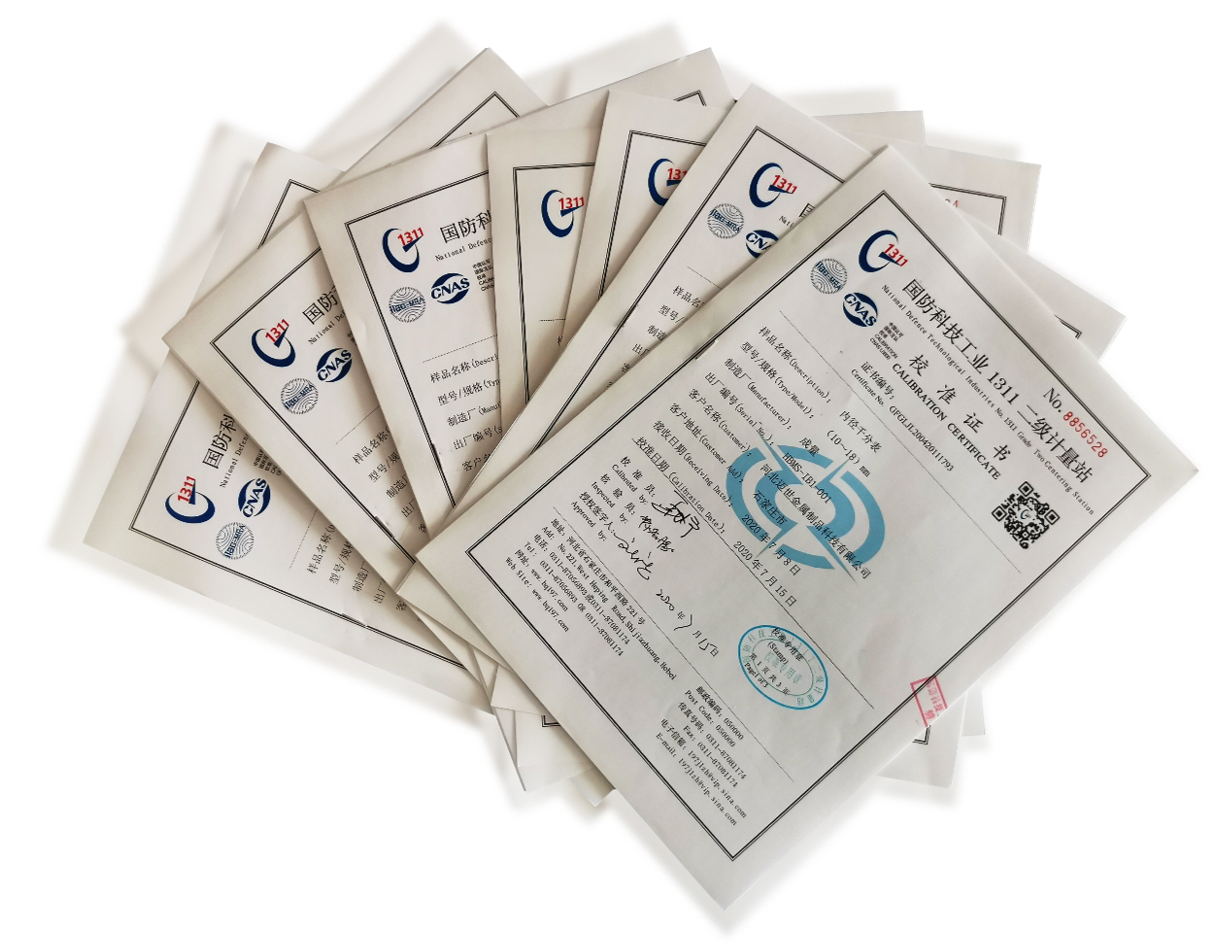
Start with material identity. Matson’s in-house inspection lab includes a spectrometer for chemistry verification, a metallographic microscope, a tension tester, and a low-temperature tester. The buyer should state the required certificate format, test frequency, and traceability level rather than asking for a generic “material report.”
Dimensional inspection should reference the approved drawing revision and datum system. A CMM report can check flange relationships, bore positions, port angles, boss locations, and machined features. Agree which dimensions are checked on the raw casting and which are verified after CNC machining.
Internal and surface integrity requirements depend on the valve duty and specification. Matson’s listed equipment includes X-ray, magnetic particle testing, ultrasonic testing, and CMM. Nickel-alloy projects may require different methods for different areas, and the purchase order should define the procedure, coverage, severity level, and acceptance standard. Do not leave the NDT scope to interpretation after the castings are finished.

What Should Be Included in a Nickel Alloy Valve RFQ?
Q: What does the foundry need to quote correctly?
A: Send the 2D drawing, 3D model, exact cast grade and standard, service conditions, heat-treatment requirement, machining scope, inspection plan, quantity profile, and documentation requirements.
A workable RFQ package should include:
- Material callout: Give the cast grade, standard, edition if controlled by the project, and any approved equivalents.
- Service data: List fluids, concentrations, contaminants, temperature range, pressure, velocity, and thermal cycles.
- Geometry data: Supply the latest 2D drawing and 3D model with revision control.
- Machining definition: Mark sealing faces, seat bores, stem bores, threads, flange faces, and final datums.
- Inspection plan: State chemistry, tensile, hardness, metallography, dimensional, X-ray, MPT, or UT requirements as applicable.
- Traceability: Define heat-number marking, certificate language, record retention, and part identification.
- Quantity and approval stages: Separate first article, trial batch, and production demand. Matson has no fixed MOQ and supports small trial orders as well as larger production batches.
North American OEM buyers often work from ASTM material calls and drawing-specific inspection plans. European buyers may request EN references or a documented cross-reference. Buyers in chemical, marine, energy, and fluid-control markets should make the actual service environment part of the RFQ, not a note sent after the quote.
A complete package lets the foundry evaluate alloy cost, tooling, casting yield, heat treatment, machining time, test scope, and lead time together. That produces a more useful quotation than a unit price based on an incomplete material name.
Common Questions From Valve Buyers
Is Alloy 625 always better than stainless steel for a valve body?
No. Alloy 625 can provide high-temperature strength and corrosion resistance, but it costs more and still must be checked against the real media and operating conditions. If a stainless grade meets the service requirement with an adequate safety margin, moving to a nickel alloy may not be justified.
Can Matson cast Alloy 600, 625, 718, and C276 valve parts?
Matson’s listed nickel-based range includes CY-40 / Alloy 600, CW-6MC / Alloy 625, Alloy 718, and CW-6M / Alloy C276. Send the drawing, cast specification, service conditions, heat-treatment requirements, and inspection plan for a project-specific feasibility review.
What tolerances are available for nickel alloy investment castings?
Matson lists ISO 8062 CT4–CT6 as its dimensional capability. Its FAQ also gives a typical precision reference of ±.005 per linear inch and angular tolerance of ±1/2 degree. Critical valve seats, bores, flange faces, and sealing features should be identified as machined dimensions where required.
Which NDT method should be used for a pressure-containing valve casting?
The drawing or purchase specification should define the method, coverage, procedure, severity level, and acceptance criteria. Available in-house equipment includes X-ray, MPT, and UT, but the correct inspection plan depends on alloy, geometry, service risk, and project code.
Can a buyer start with a small nickel alloy valve trial order?
Yes. Matson has no fixed MOQ and supports both small trial orders and larger production batches. A trial batch can be used to verify assembly, machining, pressure testing, documentation, and incoming inspection before volume increases.
Send Your Nickel Alloy Valve Drawing for Review
Q: What should you send first?
A: Send the latest drawing and 3D model, material standard, complete service conditions, machining scope, inspection requirements, trial quantity, and annual demand.
Matson Casting can review the alloy, casting geometry, CNC machining, and inspection package as one project. Email sales@matsoncasting.com or request a quote through the website.
—— Matson Casting 团队 技术小李
Ready to Start Your Casting Project?
Send us your drawings or requirements and our engineering team will respond with a quote within 24 hours.
Send Your Inquiry Now →