Cobalt Alloy Casting for Oil & Gas: Why It Resists Extreme Wear
Cobalt alloy casting for oil and gas is selected when a component must keep working through severe wear, erosion, galling, corrosion-wear, or elevated-temperature contact. It is not an automatic upgrade for every valve or flow-control part: the correct grade and manufacturing route depend on the actual failure mode, fluid, particles, temperature, pressure, contact geometry, and inspection plan.
For an OEM buyer, the best result comes from treating the alloy, casting design, machining, and acceptance criteria as one system. This guide explains what to compare before requesting a quote for solid cobalt-based investment cast parts.

Why are cobalt alloys used in severe oil and gas service?
Q: What problem does a cobalt-based casting solve?
A: It provides a material route for parts exposed to combinations of mechanical wear, heat, and corrosive attack that may shorten the life of conventional steels. The Cobalt Institute identifies wear, corrosion, and heat resistance as important functions of cobalt in metallurgical alloys, including use in petroleum refining and other demanding industrial equipment.
In an oil and gas system, “wear” can mean several different things. Sand or scale carried by fast-moving fluid can remove material by erosion. Sliding metal surfaces can score or seize through galling. Repeated opening and closing can damage a seat or guide through impact and contact wear. A corrosive medium may accelerate the loss of a surface already under mechanical attack. A material recommendation is only reliable when the dominant mechanism is known.
That is why a buyer should not send an RFQ that says only “use a high temperature casting alloy.” A technically useful request identifies the medium, whether solids are present, normal and upset temperatures, pressure, pressure drop, velocity where known, cycle frequency, mating material, lubrication condition, and the observed damage on the current part.
Which oil and gas parts may benefit from solid cobalt alloy castings?
Q: Where does a solid cobalt casting make sense?
A: It is worth evaluating for compact wear parts and flow-control components whose geometry, service exposure, or remaining wall section makes a solid alloy solution preferable to a local surface treatment.
Typical candidates may include seat rings, discs, plugs, cages, sleeves, bushings, guides, nozzles, choke components, and other replaceable trim or wear parts. These examples are screening categories, not a declaration that one alloy is suitable for every pressure-containing application. The final decision must follow the buyer’s drawing, governing standard, design calculation, and service data.
Matson’s investment casting valve parts capability can support complex geometries, while its cobalt alloy casting capability covers a defined range of cobalt grades. For cobalt lost-wax parts, the stated single-casting maximum is 500 kg; practical feasibility still depends on geometry, section thickness, tolerance, and required soundness.

How should buyers compare Cobalt 6, Cobalt 12, Cobalt 21, and other grades?
Q: Is there one best cobalt alloy grade for oil and gas?
A: No. Grade selection is a trade-off among the wear mechanism, corrosion exposure, impact loading, thermal cycling, machinability, finish requirements, and cost. The table below is an RFQ screening aid, not a substitute for the end user’s material specification.
| Matson-listed grade / alias | Useful RFQ discussion point | What the buyer must confirm |
|---|---|---|
| Co106 / UNS R30006 / Cobalt 6 / Stl6 | A common starting point for a general wear-resistant cobalt grade discussion. | Exact chemistry, standard, contact mode, corrosion conditions, and acceptance tests. |
| Co112 / Cobalt 12 | Consider when the current failure analysis points strongly to sliding or abrasive wear. | Impact risk, thin sections, machining stock, surface finish, and mating component. |
| Co121 / UNS R30021 / Cobalt 21 / Stl21 | A separate alloy family to evaluate where the service balance differs from a general wear grade. | Corrosion medium, thermal cycle, mechanical load, and required properties. |
| Co131 / UNS R30031 / Cobalt 31 / Stl31 | A project-specific option to review for demanding wear or flow-control service. | Approved specification, section design, NDT level, machining, and operating data. |
| Co101 / Cobalt 1; Co103 / Cobalt 3; Co180 / T800; Co193 / UNS R30400 / T400 | Additional listed grades for applications with a defined customer specification. | Do not select by trade name alone; provide the full grade, standard, revision, and test requirements. |
A drawing marked only “Cobalt 6” can still leave open questions about the specification, chemistry range, heat treatment or delivery condition, test coupon, repair rules, and certification. Put the complete material callout on the drawing or purchase specification. If the buyer is replacing an existing part, send the original material certificate or arrange a chemistry check instead of relying on appearance.
Should the part be a solid casting or a hardfaced steel component?
Q: Are solid cobalt castings and cobalt hardfacing interchangeable?
A: No. A solid casting makes the selected alloy the component material, while hardfacing deposits a wear-resistant layer onto a different substrate. They create different design, manufacturing, repair, inspection, and cost considerations.
A hardfaced component can be economical when only a defined contact surface needs protection and the base material supplies the structural section. However, the buyer must control the overlay process, dilution, thickness, interface quality, finishing, and repair acceptance. A solid casting avoids an overlay interface, but cobalt alloy cost and machining difficulty make near-net design and machining allowance important.
Do not convert an existing hardfaced steel design into a solid cobalt casting—or the reverse—without engineering review. Check pressure-boundary rules, mechanical loads, joint design, thermal expansion, seat contact, and the applicable industry standard. The correct commercial comparison is total installed and maintenance cost, not raw casting price alone.
Why does investment casting help with cobalt wear parts?
Q: What does the investment casting process add?
A: It can form complex near-net shapes, reducing the amount of expensive and difficult-to-machine material that must be removed from passages, profiles, bosses, and contact features.
For a well-designed part, investment casting can combine shape creation with controlled machining stock. It does not eliminate machining where sealing faces, threads, bores, concentric diameters, or datum relationships require it. The drawing should clearly separate as-cast surfaces from machined surfaces and identify datums, geometric controls, stock allowance, and final finish.
Matson’s general investment-casting capability includes ISO 8062 CT4–CT6 dimensional tolerance, Ra1.6–Ra3.2 surface roughness, and casting weights from 0.005 to 80 kg; these figures are capability references, not automatic guarantees for every cobalt geometry. Cobalt projects are reviewed independently, and achievable tolerances depend on part size, shape, wall transitions, tooling, and inspection method.

What machining information should be included in the RFQ?
Q: Why can a good casting still fail at assembly?
A: Because function is often controlled by the finished interface: a seat angle, bore, runout, flatness, lapped face, thread, or clearance may matter more than the overall as-cast dimension.
Provide a 2D controlled drawing and a 3D model, and identify which document governs if they conflict. Mark machining datums and critical-to-function characteristics. State whether the supplier should deliver as-cast blanks, rough-machined parts, or fully finished components. Also specify deburring, edge breaks, surface finish, cleaning, preservation, and packaging requirements.
Matson has more than 60 CNC machines for turning, milling, drilling, and grinding. Its machining capability can accommodate a 1.5 m cube envelope and parts up to 2,500 kg, but the applicable setup for a cobalt component still depends on tool access, rigidity, stock distribution, and inspection access. A sample order is often the safest way to prove the complete route before production quantities; there is no fixed MOQ, and both trial and production orders are supported.
How should cobalt alloy castings be inspected?
Q: Which records reduce buyer risk?
A: Begin with material identity and traceability, then match dimensional and nondestructive testing to the part’s function and failure consequence.
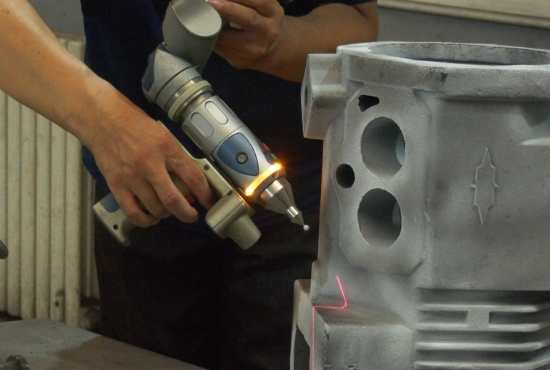
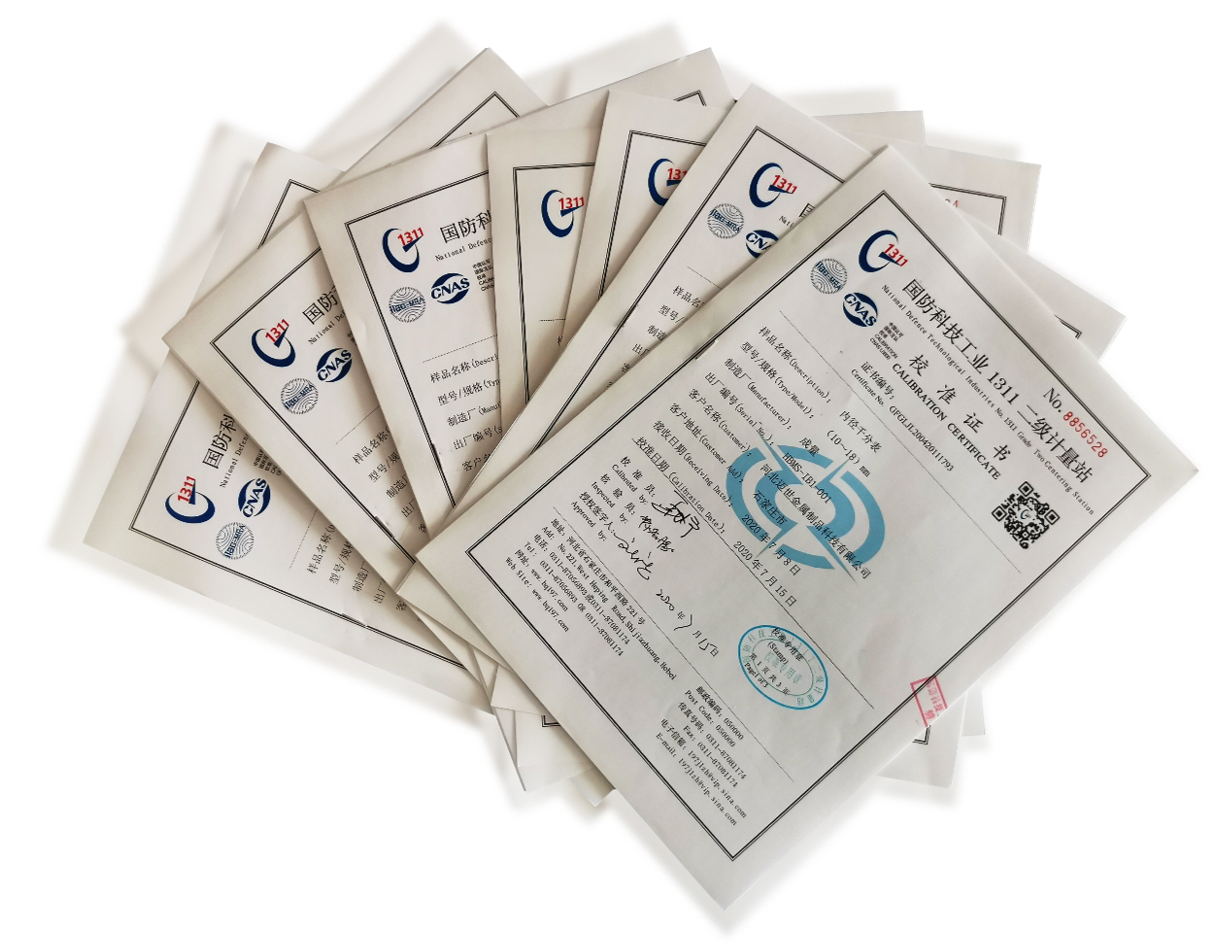
A practical inspection plan may include heat or lot identification, a material certificate, spectrometer chemistry verification, metallographic evaluation where specified, tensile testing when required by the governing specification, and dimensional reports tied to drawing balloons. CMM inspection is useful for critical datum relationships and geometric controls.
For internal or surface discontinuities, select the method and acceptance level before production. Matson’s available inspection resources include X-ray, magnetic particle testing, ultrasonic testing, and CMM measurement. The correct technique depends on alloy magnetism, section thickness, discontinuity type, geometry, and the applicable acceptance standard; listing “NDT required” without method, sampling rate, and acceptance criteria is not enough.
What should an oil and gas buyer send for an accurate quotation?
Q: What information prevents a vague quote?
A: Send enough data for the foundry to review material, geometry, machining, inspection, and commercial volume together.
- Part definition: controlled 2D drawing, 3D model, revision, part name, and end use.
- Material: full cobalt grade and aliases, standard and revision, required condition, and certificate format.
- Service: medium composition, solids, temperature range, pressure, pressure drop, velocity if known, cycling, mating part, and observed failure mode.
- Manufacturing scope: solid casting or other route, as-cast or machined delivery, critical datums, finish, and special processes.
- Quality: dimensional report, chemistry, mechanical tests, NDT method, sampling, acceptance level, traceability, and third-party inspection if required.
- Commercial: prototype quantity, annual demand, delivery destination, target schedule, packaging, and documentation language.
Matson Casting operates an ISO 9001:2015 quality system, has more than 20 years of investment-casting experience, and exports to more than 30 countries. Buyers can also review its broader casting applications when a project contains valve, pump, automotive, or mechanical components in more than one alloy family.
Frequently asked questions about cobalt alloy casting for oil and gas
Is Cobalt 6 always the best grade for oil and gas valve parts?
No. It is a useful starting point for discussion, but the best grade depends on whether the dominant problem is erosion, abrasion, galling, corrosion-wear, impact, heat, or a combination. Provide service and failure data before confirming the alloy.
Can Matson supply both prototypes and production batches?
Yes. There is no fixed MOQ, and trial orders as well as production orders are supported. Prototype approval should validate material, dimensions, machining, inspection records, and functional fit before volume production.
What is the maximum cobalt lost-wax casting weight?
Matson lists a maximum single-casting weight of 500 kg for cobalt lost-wax castings. Feasibility still depends on geometry, section thickness, tolerance, soundness requirements, and the selected grade.
Can a cobalt casting be delivered fully machined?
Yes, subject to drawing review. The RFQ should identify all machined surfaces, datums, tolerances, surface finishes, threads, edge conditions, and inspection methods so the quote covers the complete finished part.
What is the most important document for quality control?
There is no single universal document. A controlled drawing and purchase specification should define the material, revision, test methods, acceptance criteria, traceability, and required report package. Those requirements then drive the inspection plan.
Request a cobalt alloy casting review
Q: What is the fastest way to receive a useful technical response?
A: Send the drawing, target grade, service conditions, current failure description, required inspections, and annual quantity in one RFQ package.
If you are evaluating cobalt alloy casting for oil and gas wear parts, email sales@matsoncasting.com or request a quote. Our team can review casting feasibility, machining scope, quality documentation, and a trial-order route before you commit to production.
—— Matson Casting 团队 技术小李
Ready to Start Your Casting Project?
Send us your drawings or requirements and our engineering team will respond with a quote within 24 hours.
Send Your Inquiry Now →